
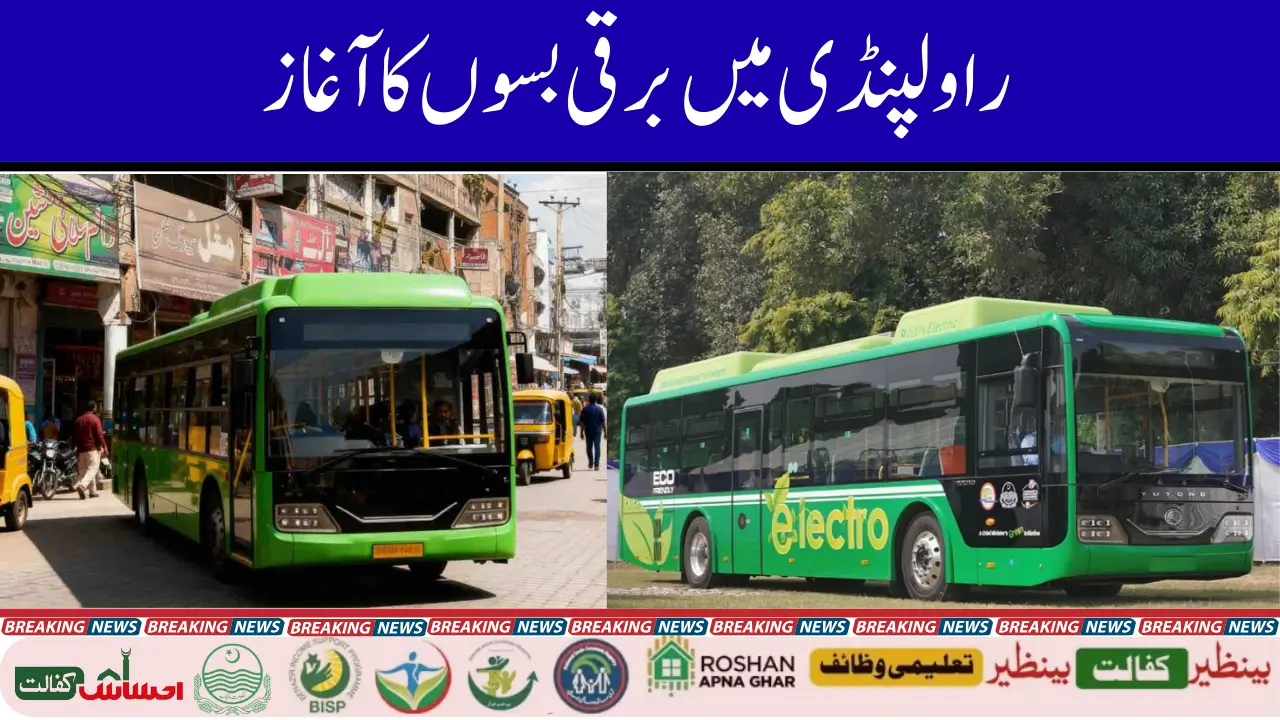
Rawalpindi has taken an impressive step toward modern and eco-friendly public transport by introducing its first fleet of 45 electric buses. This launch marks the beginning of a cleaner, smarter, and cost-effective travel system designed to benefit thousands of daily passengers. As part of Punjab’s broader initiative for sustainable mobility, these buses represent a new era in the region’s transportation network.

The electric buses are not only meant to reduce pollution but also to enhance the commuting experience for students, office workers, families, and senior citizens. With four newly introduced routes, the government aims to connect key locations across Rawalpindi, making daily travel smoother and more reliable for all. Citizens can enjoy modern amenities, improved accessibility, and affordable fares, making the service a complete package for urban commuters.
In the coming years, Rawalpindi’s eco-friendly bus network is expected to grow significantly, helping the city align with global standards for clean and efficient public mobility. The project is already receiving positive feedback due to its impact on traffic flow and environmental sustainability.
Key Highlights of the Newly Launched Electric Bus Service
Launch Details and Leadership
Punjab Chief Minister Maryam Nawaz officially inaugurated the fleet of 45 electric buses, marking a milestone achievement in the province’s green mobility vision. The program is part of Phase I of Punjab’s modern urban transport strategy aimed at reducing travel costs and improving environmental standards.
You can also read: Benazir Kafalat November 2025 Re-Application
This initiative also includes future expansion targets, with plans to increase the fleet to 80 buses soon. Furthermore, districts like Attock, Jhelum, and Chakwal are expected to receive similar electric bus services under the upcoming phases. This indicates a strong governmental commitment to building an interconnected mass transit system for the entire Potohar region.
Fleet Features and Passenger Facilities
The new electric buses provide comfort and convenience that go beyond basic travel needs. Each bus is fully air-conditioned and equipped with high-definition CCTV cameras, ensuring passenger safety at all times. Free Wi-Fi connections and USB charging ports make the commute productive for students and professionals alike.
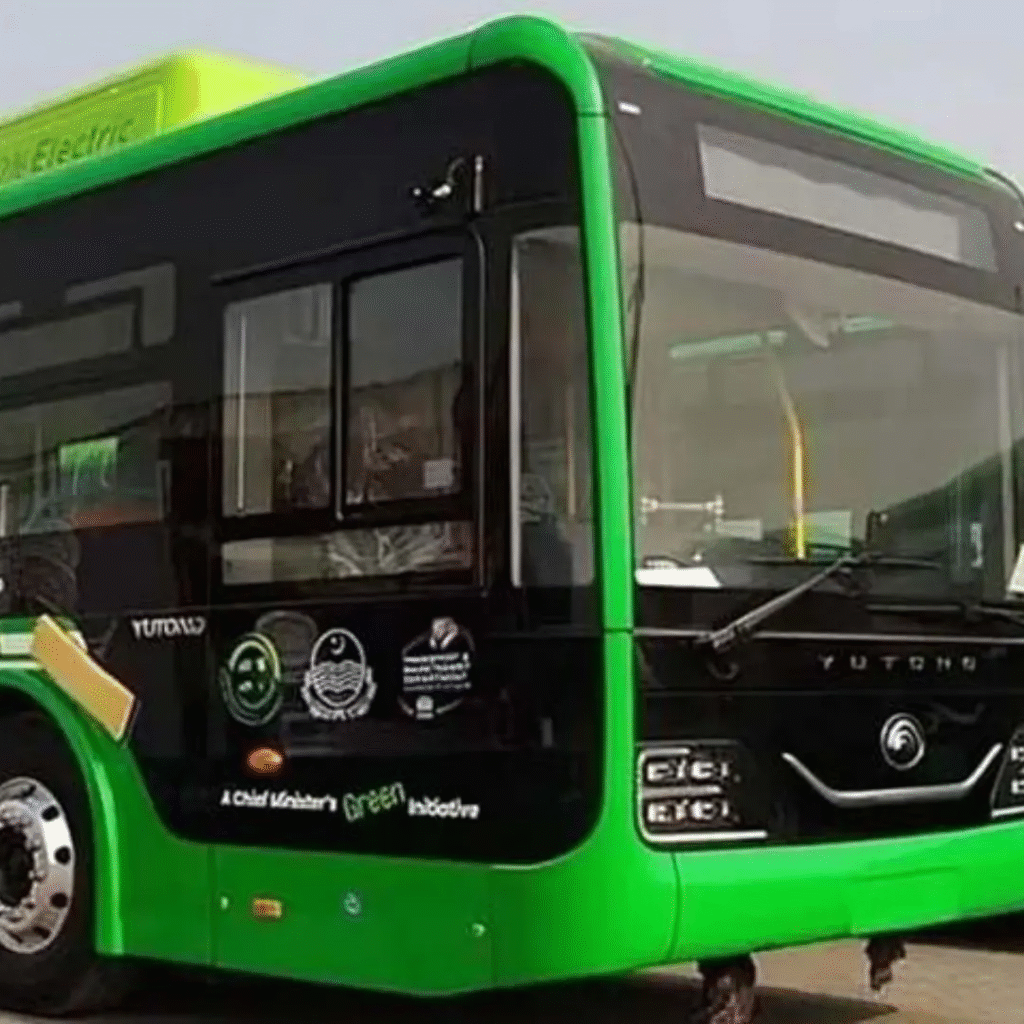
Modern seating arrangements and a dedicated women’s compartment improve accessibility and comfort for a wide range of passengers. These buses also boast smooth acceleration, low noise levels, and enhanced suspension systems, creating a pleasant travel experience even during peak traffic hours.
Key Features Include:
- 100% electric, zero-emission motors
- Modern A/C cooling system
- High-quality surveillance cameras
- USB mobile charging ports
- Free Wi-Fi access
- Comfortable seating and a separate women’s area
Overview of Phase I – Routes and Coverage
Route 1 – Saddar to Qabristan Chowk
Seven buses are deployed on this route, covering approximately 7 kilometers. The bus passes through important stops like Qasim Market and Shalley Valley, making it ideal for office workers and families living near Misrial Road. The route ensures frequent service and a short waiting time for passengers.
Due to its connection with centrally located areas, Route 1 is expected to attract a significant number of commuters daily. Residents from densely populated communities can now enjoy reliable, clean, and affordable travel. Electric Bus New Routes Punjab
Route 2 – Fawara Chowk to Koral Chowk
Eight buses operate across a distance of 11.3 kilometers on this heavily populated route. It covers key locations including Liaquat Bagh, Sir Syed Road, and Old Airport Road. This route supports thousands of daily passengers who travel for work, business, education, and healthcare.
This corridor is specifically designed to reduce congestion on main roads while providing uninterrupted connectivity between major commercial zones. Passengers can expect shorter travel times and hassle-free commuting.
Route 3 – Saddar Metro Bus Station to Munawar Colony
Seven buses serve this important local route via Tulsa Road. This corridor supports residential and military areas, making it a highly used route for both civilians and service members. It provides a direct connection to the metro network, which enhances intercity mobility between Rawalpindi and Islamabad.
The availability of electric buses on this route also reduces commute stress by offering comfortable seating, cleaner air, and consistent arrival schedules. Electric Bus New Routes Punjab
Route 4 – Marrir Metro Bus Station to Motorway Chowk
Route 4 has the largest allocation with 14 electric buses covering around 13.1 kilometers. It passes through major landmarks such as Peshawar Road and The Mall, making it an essential route for students, employees, and long-distance travelers.
You can also read: CM Punjab Livestock Support Program
Due to its connectivity with Motorway Chowk, passengers can seamlessly move to nearby districts or travel inter-city with ease. The route’s wide coverage ensures greater accessibility for far-flung areas.
Quick Information Table for Public Reference
| Program | Launch Date | Phase | Fleet Details | Fare | Free Travel For | Usage Method |
|---|---|---|---|---|---|---|
| Rawalpindi Electric Bus Service | November 2025 | Phase I | 45 buses, 4 routes | Rs 20 | Women, students, senior citizens, disabled persons | No app needed; normal boarding |
Infrastructure and Support Systems
Charging Stations and Depots
A temporary charging station at GTS Bus Stand in Saddar is currently powering the fleet. It features multiple fast-charging ports, ensuring buses can operate throughout the day without delays. Additionally, a full-scale depot is under construction at Peshawar Road to serve as the main hub for parking, cleaning, and maintenance.
The depot will be equipped with:
- High-capacity chargers
- Battery monitoring systems
- Maintenance workshops
- Control rooms for traffic monitoring
Daily Ridership Expectations and Feasibility
Officials predict that around 24,000 passengers will use these buses daily once operations stabilize. The routes were selected based on extensive transport surveys, ensuring the service caters to both high-demand and underserved communities.
The feasibility studies show strong potential for expansion, especially as fuel prices and travel costs continue rising. The introduction of electric buses is expected to reduce reliance on private vehicles, ultimately improving traffic flow across the city.
Cost, Accessibility, and Social Benefits
Fare Structure
The standard fare is an affordable Rs 20 per ride, making the service accessible to all economic groups. Compared to traditional transport options, these buses offer more comfort at a lower cost. Additionally, free travel is available for women, students, senior citizens, and persons with disabilities.
This fare system aims to reduce financial burden on vulnerable communities while encouraging greater usage of public transport.
Accessibility Features and Safety Measures
Each bus includes built-in features that support safe and inclusive travel. The CCTV cameras ensure real-time monitoring, while women ’s-only sections promote comfort and security. The Wi-Fi and charging ports help students stay connected, especially during long commutes.
Accessibility Features:
- Low-floor design for easy boarding
- Separate women’s section
- Grab rails and anti-slip flooring
- Disabled-friendly entry points
How This Project Will Transform Rawalpindi
Environmental Sustainability
Electric buses produce zero tailpipe emissions, significantly reducing air pollution. Rawalpindi has been struggling with smog and poor air quality in recent years, and this initiative is a major step toward reversing those environmental challenges.
The transition to electric transport also reduces noise pollution, making urban streets healthier and more livable.
Better Connectivity and Urban Mobility
These routes are designed to integrate with the Rawalpindi-Islamabad Metro Bus system, offering seamless travel between the twin cities. Commuters can now switch between electric buses and metro services with ease.
This interconnected network can reduce travel time, improve convenience, and decrease the number of private vehicles on roads.
Economic Relief and Social Inclusion
Providing free travel to women, students, senior citizens, and persons with disabilities strengthens social equity. Families can save thousands of rupees monthly due to the affordable fare structure.
The project also generates employment opportunities in maintenance, operations, and technology sectors.
Important Tips for Commuters
Planning and Route Usage
- Check the nearest route before traveling
- Arrive early at bus stops to understand schedules
- Use Google Maps or local transport guides for planning
Safety and Monitoring Guidance
- Women should use designated sections
- Report any suspicious activity to the authorities
- Keep belongings secure while boarding or exiting
Future Expansion Plans Across Punjab
Phase II Expansion
Phase II will introduce 145 more electric buses across the Potohar region. Cities like Attock, Jhelum, and Chakwal will be connected with Rawalpindi’s growing green transport network.
Monthly Cards and New Routes
Officials have hinted at launching monthly travel cards for frequent passengers. More routes will be introduced to serve high-traffic areas, schools, hospitals, and markets. Electric Bus New Routes Punjab
Conclusion
Rawalpindi’s launch of 45 electric buses marks a transformative moment in Punjab’s public transport landscape. With low fares, free travel options, modern facilities, and eco-friendly operations, these buses are expected to reshape daily life for thousands of commuters. The initiative not only benefits the environment but also enhances social inclusion and financial relief for citizens.
You can also read: Apni Chat Apna Ghar List 2025 Punjab
As the government moves toward expanding the network, Rawalpindi is on its way to becoming a model city for clean and sustainable mobility in Pakistan. Electric Bus New Routes Punjab
FAQs
1. What is the fare for the new electric buses in Rawalpindi?
The fare is fixed at Rs 20 per ride for most passengers.
2. Who can travel for free on these electric buses?
Women, students, senior citizens, and persons with disabilities can travel for free.
3. How many routes are currently operational under Phase I?
Phase I includes four major routes covering key areas of Rawalpindi.
4. Are these buses air-conditioned?
Yes, all buses are fully air-conditioned and equipped with Wi-Fi, CCTV, and charging ports.
5. Will this service expand to other cities?
Yes, Phase II will add 145 more buses to cities like Attock, Chakwal, and Jhelum.